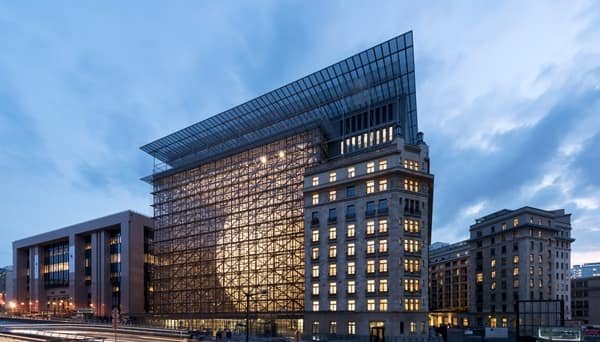
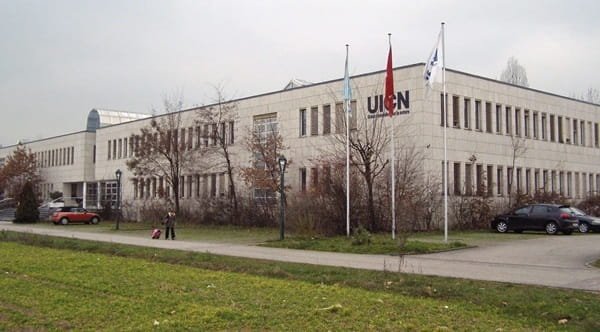
The International Union for Conservation of Nature, or IUCN, is a global membership union that brings together governments, public agencies, civil-society organizations and expert networks around the conservation of nature. Founded in 1948, IUCN has played a major role in shaping modern conservation policy, scientific assessment and practical standards for protected areas and species conservation. It is widely known for the IUCN Red List of Threatened Species, while its commissions and programmes also work on ecosystems, climate change, environmental law, species survival, protected areas and nature-based solutions. Unlike a conventional intergovernmental agency, IUCN combines government and non-governmental members within one union. Its headquarters in Gland, Switzerland, supports global governance, science, policy and administrative work, while regional and country offices connect those efforts to local conservation priorities. The following sections provide the headquarters address, telephone, contact route, location and practical guidance.
Quick About IUCN Headquarters
| Details | Information |
| Organisation | International Union for Conservation of Nature |
| Short Name | IUCN |
| Founded | 1948 |
| Type | Global membership union for nature conservation |
| Headquarters City | Gland, Switzerland |
| Headquarters Address | Rue Mauverney 28, 1196 Gland, Switzerland |
| Telephone | +41 22 999 0000 |
| Fax | +41 22 999 0002 |
| General Contact | Official IUCN online contact form |
| Official Website | iucn.org |
IUCN Headquarters Address
IUCN Headquarters is located at Rue Mauverney 28, 1196 Gland, Switzerland. The office is the organization’s central base for global management, governance support, programme coordination and many of the technical and policy teams that work across IUCN’s worldwide network.
| Particular | Details |
| Office | IUCN Headquarters |
| Street | Rue Mauverney 28 |
| Postal Code | 1196 |
| City | Gland |
| Country | Switzerland |
IUCN Headquarters Location
Gland is in the canton of Vaud on the northern shore of Lake Geneva, between Geneva and Lausanne. The town is connected to Switzerland’s main rail network, making the headquarters reachable from both Geneva and Lausanne. Visitors with a scheduled meeting should use the full street address and confirm entry arrangements with their IUCN contact.
- Town: Gland, Canton of Vaud.
- Regional setting: Between Geneva and Lausanne on the Lake Geneva corridor.
- Rail access: Gland railway station connects with regional services.
- Last-mile travel: Local bus, taxi or other ground transport may be used from the station.
IUCN Headquarters Contact Number
Use the contact that matches the purpose of your enquiry. Headquarters and departmental numbers should not be confused with public helplines or service channels.
| Contact Purpose | Details |
| Headquarters telephone | +41 22 999 0000 |
| Headquarters fax | +41 22 999 0002 |
| General enquiries | Use IUCN’s official online contact form |
| Programme-specific enquiries | Use the relevant programme, office or commission contact page |
IUCN Headquarters Email Id and Online Contact
IUCN’s main contact page directs general users to an online contact form rather than publishing one universal email address for every headquarters enquiry. This is useful because IUCN’s work is spread across many programmes, regional offices and expert commissions. Using the correct programme or office contact can lead to a faster response than sending a broad message.
How to Reach IUCN Headquarters
From Geneva or Lausanne, rail travel to Gland is generally the most convenient public-transport option. From Gland station, visitors can continue by local transport to Rue Mauverney. Anyone attending a meeting should confirm the appointment in advance because the headquarters is primarily a working office.
IUCN Headquarters vs Regional Offices and Commissions
| Office/Unit | Main Role |
| IUCN Headquarters | Global governance, management, science-policy coordination and central administration. |
| Regional/Country Offices | Implement and coordinate programmes in specific geographic regions and countries. |
| IUCN Commissions | Expert networks focused on fields such as species, protected areas, law and ecosystem management. |
| Member Organisations | Governments and civil-society bodies that participate in the Union’s governance and work. |
When Should You Contact IUCN Headquarters?
- Global institutional and governance enquiries.
- Matters specifically directed to the IUCN Secretariat in Gland.
- Questions that do not clearly belong to a regional office or programme.
- Scheduled meetings or official correspondence with headquarters staff.
Important Points Before Contacting the Headquarters
- Use the official contact form for general enquiries.
- For the Red List, membership or a specialist programme, use the dedicated programme page where available.
- Do not assume every IUCN activity is managed directly from Gland.
- Check regional offices for country-specific conservation work.
- Arrange meetings in advance before visiting.
Frequently Asked Questions
1. Where is IUCN Headquarters located?
IUCN Headquarters is at Rue Mauverney 28, 1196 Gland, Switzerland. Gland lies in the canton of Vaud between Geneva and Lausanne.
2. What is IUCN’s headquarters phone number?
The main headquarters telephone number published by IUCN is +41 22 999 0000. Programme-specific teams may have their own contact routes.
3. Does IUCN publish a general email address?
IUCN’s main public contact page uses an online contact form for general enquiries rather than relying on one universal headquarters email. Specialized programmes and offices may publish separate contacts.
4. Is the IUCN Red List managed from the headquarters?
The Red List is an IUCN programme supported by a large international network of experts and partner organizations. Headquarters plays an important coordinating role, but the scientific work is distributed globally.
5. Should country-specific conservation enquiries go to Gland?
Not always. IUCN has regional and country offices, and those offices may be better suited for local programmes, partnerships or project questions. Headquarters is more appropriate for global and central matters.